Pizza Hut nutrition guide
Pizza Hut Pasta Calories: Compare Every Oven-Baked Pasta
Compare Pizza Hut pasta calories, protein, fat, carbohydrates, and sodium for Chicken Alfredo, Italian Meats, Cheesy Alfredo, and Veggie Pasta.
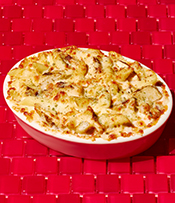
Pizza Hut pasta calories range from 640 to 920 for the four oven-baked pasta orders in this site’s July 28, 2026 catalog. Veggie Pasta has 640 calories, Italian Meats has 850, Cheesy Alfredo has 880, and Chicken Alfredo has 920. Each value describes one complete listed pasta order. Breadsticks, dipping sauce, dessert, and drinks add separate nutrition and should be calculated as their own meal components.
Pizza Hut pasta calories at a glance
Oven-Baked Veggie Pasta is the lowest-calorie option in this four-item snapshot at 640 calories. Oven-Baked Italian Meats Pasta is 850, Oven-Baked Cheesy Alfredo Pasta is 880, and Oven-Baked Chicken Alfredo Pasta is 920. The 280-calorie range between Veggie and Chicken Alfredo is useful, but calories alone do not describe the full difference among the recipes.
The pasta rows are one-order servings, so the values already represent the complete named entrée in the source data. Do not multiply the row by the number of people sharing unless more than one full order was purchased. If one order is split, estimate the fraction eaten and keep the uncertainty visible because sauce, meat, vegetables, and cheese may not divide evenly.
- Oven-Baked Veggie Pasta: 640 calories per order.
- Oven-Baked Italian Meats Pasta: 850 calories per order.
- Oven-Baked Cheesy Alfredo Pasta: 880 calories per order.
- Oven-Baked Chicken Alfredo Pasta: 920 calories per order.
Protein and fat tell a different part of the story
Chicken Alfredo has the most protein at 37 grams per order, followed by Italian Meats at 36, Cheesy Alfredo at 30, and Veggie Pasta at 27. The difference between the highest and lowest is 10 grams, much smaller than the calorie range might suggest. Protein should therefore be reviewed alongside the meal’s total calories, serving size, and other nutrients.
Total fat is 49 grams for Chicken Alfredo, 47 for Cheesy Alfredo, 37 for Italian Meats, and 16 for Veggie Pasta. Saturated fat is 25 grams for Chicken Alfredo, 24 for Cheesy Alfredo, 16 for Italian Meats, and 8 for Veggie. Veggie Pasta is lower in calories and fat in this snapshot, but that does not make it a universal recommendation for every nutrition goal or ingredient need.
Carbohydrate and sodium do not follow the calorie order
Veggie Pasta has 98 grams of carbohydrate, Italian Meats has 97, Chicken Alfredo has 86, and Cheesy Alfredo has 85. The lowest-calorie pasta is therefore the highest in listed carbohydrate by a small margin. This is another reason not to choose from calories alone when carbohydrate, protein, or fat is central to the meal plan.
Italian Meats has the highest sodium at 1,640 milligrams. Chicken Alfredo is 1,280, Veggie Pasta is 1,170, and Cheesy Alfredo is 1,120. Cheesy Alfredo has more calories and fat than Veggie Pasta but less sodium in this snapshot. These are neutral comparisons rather than medical guidance; review the complete order and use appropriate professional advice for clinical dietary decisions.
Breadsticks and drinks are not included in the pasta row
The one-order pasta value covers the named pasta entrée. A breadstick adds 140 calories per stick in this catalog, so two breadsticks add 280 and three add 420 before dipping sauce. Chicken Alfredo with two breadsticks is therefore 1,200 calories before a drink or dessert, while Veggie Pasta with two is 920. Keeping components separate makes those additions easy to see.
Sweetened drinks, dips, wings, pizza slices, and desserts also add their own rows. A bundle name does not create one universal nutrition contract for every local combination. Build the specific supported items received rather than estimating the meal from a marketing label or assuming the side is included in the pasta total.
Ingredients and allergens vary among pasta recipes
All four pasta rows carry affirmative flags for gluten, milk, soy, and wheat in this snapshot. Chicken, meat, vegetables, cheese, and sauces create additional ingredient differences even when the allergen list looks similar. Review the exact named product rather than using one pasta row as a substitute for another.
Shared kitchens and changing suppliers mean an independent catalog cannot establish allergy safety. Review current official allergen information and ask restaurant staff when an allergy, intolerance, or strict dietary restriction affects the order. Nutrition totals also cannot tell you whether a requested substitution was made correctly.
Compare the pasta order in the calculator
Open the Pizza Hut calorie calculator and choose the exact pasta: Chicken Alfredo, Italian Meats, Cheesy Alfredo, or Veggie. Add one order as the meal line. If more than one full order is eaten, increase the quantity; if an order is shared, use a transparent estimated fraction rather than silently treating a partial serving as a full entrée.
Add breadsticks, dips, wings, pizza, drinks, and dessert separately, then compare calories, fat, carbohydrate, protein, sodium, and allergens together. The site’s nutrition methodology explains its dated official rows and serving rules. Verify current Pizza Hut information when a recipe, portion, ingredient, allergen, or availability change could affect the decision.